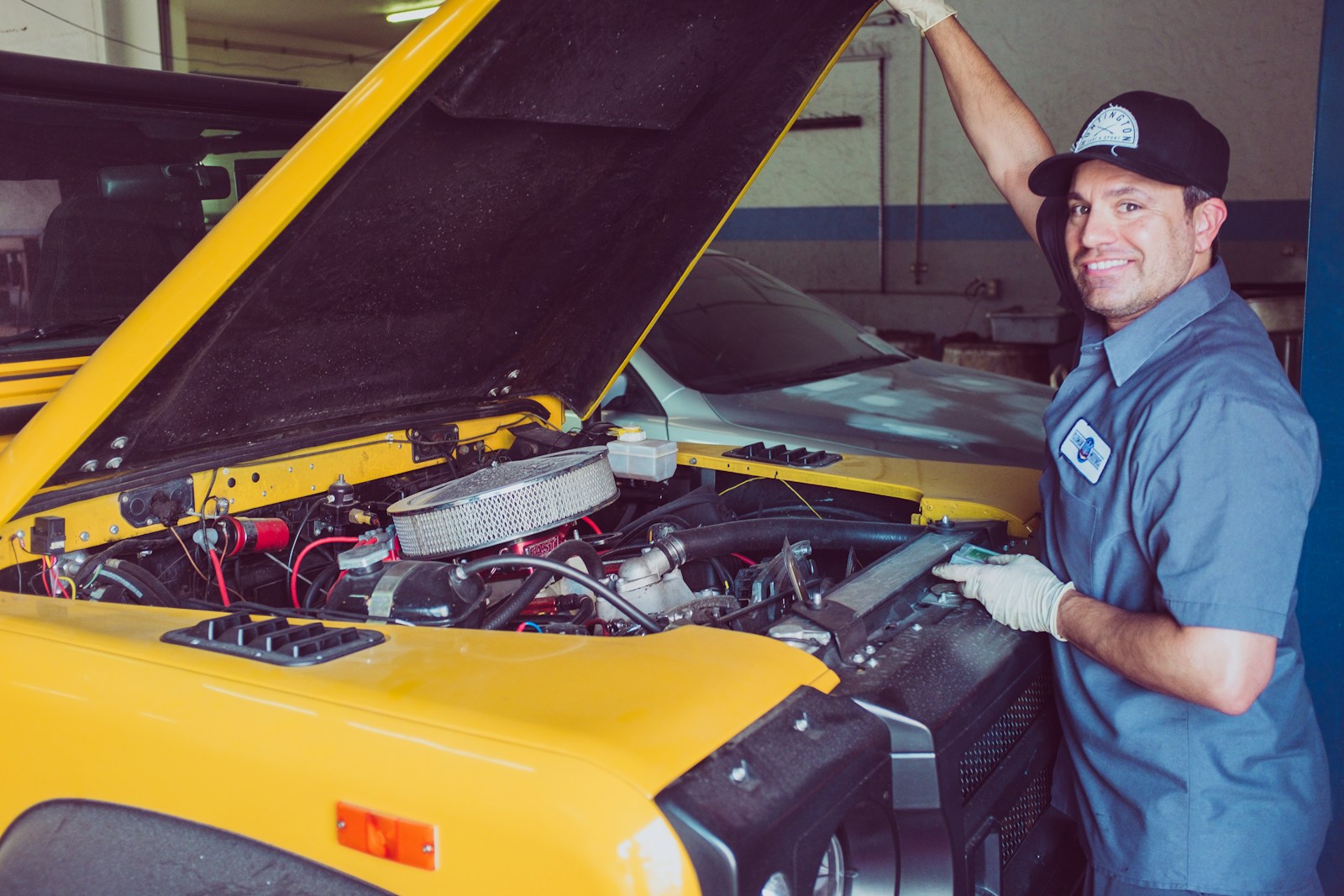
A hoist that jams halfway through a lift. A hydraulic press that starts weeping fluid under load. A tool cabinet that finally gives way after years on the same cracked section of floor. None of these are freak accidents. They are the predictable result of equipment that has been used hard and inspected rarely.
Engine hoists, mobile lift tables, hydraulic presses and heavy tool cabinets carry enormous loads day after day, and that load has to go somewhere. Understanding where the stress actually builds up, and putting a proper maintenance and inspection routine around it, is what separates a shop that runs smoothly from one that loses a day to an unplanned repair.
Where Wear Actually Starts on Mobile Equipment
Structural stress in workshop machinery rarely announces itself at the top of the unit. It builds at the lowest physical points, the frame joints, axles and wheelbase, particularly when equipment is rolled repeatedly over uneven concrete or drainage grates. Every small jolt transmits shock up through the structure. Over time this produces hairline fractures and subtle frame twisting long before any visible damage appears, which is exactly why base-level components deserve as much attention as the lifting mechanism itself.
How to Upgrade and Maintain Heavy Workshop Machinery
Keeping heavy equipment safe and reliable comes down to a few consistent practices: a proper maintenance schedule, a daily inspection habit, and knowing when to upgrade rather than repair.
Create a Preventive Maintenance Schedule
Reactive maintenance, fixing things only once they break, is expensive and unpredictable. A proactive schedule built around manufacturer guidance works far better.
- Follow OEM service intervals rather than waiting for symptoms to appear.
- Apply the 10% rule – complete scheduled maintenance within 10% of the due date or hour interval.
- Run routine fluid analysis on hydraulic oil and coolant to catch internal wear before it becomes a failure.
For UK shops, it is worth checking your upgrades and operating standards against the HSE’s instructions to machinery safety, which sets out the legal baseline for work equipment. If your maintenance audit reveals wider issues with the space itself, our garage renovation guide covers how to assess structural condition, lighting and safety features before you start upgrading equipment.
Checks Before Powering Up
A short pre-shift routine catches most problems while they are still cheap to fix.
- Visual checks: look for hairline fractures, loose bolts and stress marks on lifting arms and frames.
- Hydraulic and seal inspection: check hoses for bulges, abrasions or leaks, and confirm fluid levels are correct.
- Safety features: test emergency stop buttons, backup alarms and any ROPS mounting hardware.
Five minutes at the start of a shift is far cheaper than an afternoon spent waiting on emergency repairs.
Upgrading Wheels and Mobility Hardware
Mobile assets like engine cranes and multi-tier component racks need flawless mobility to position heavy loads accurately without tipping or jamming. When a wheel seizes or drags under weight, the load doesn’t stop moving, the frame absorbs the difference instead, and puts physical pressure.
Upgrading standard factory wheels to heavy duty casters addresses this directly. Properly fitted casters handle intense weight displacement without buckling under sudden shifts in equilibrium, protect the concrete floor from gouging, and remove the jamming that causes frame stress in the first place. It is one of the simplest upgrades available, and one of the most overlooked.
Modernise Legacy Equipment
Beyond mobility, older machines often benefit from targeted upgrades rather than full replacement. Digital readouts and aftermarket CNC retrofits improve precision on manual lathes and mills. Updated guarding and light curtains bring older equipment in line with current safety expectations, and it is worth keeping an eye on newer safety innovations that are increasingly finding their way into workshop settings. Quick-change tool posts and chucks reduce downtime during setup changes, which adds up over a busy week.
Keeping Records That Actually Protect You
Poor record-keeping is one of the most common causes of avoidable equipment damage. Keep a simple log tracking maintenance history, operational hours, warranties and parts replacements, and make sure every operator understands the load and speed limits of the equipment they are using, along with basic troubleshooting steps.
Conclusion
A hoist failing mid-lift is rarely bad luck. It is usually the result of skipped inspections, ignored fluid levels and mobility hardware that was never upgraded to match the load it carries. A short daily inspection habit, a proper maintenance schedule, and attention to the hardware underneath your equipment, not just the mechanism on top, is what keeps a workshop running and the people in it safe.